← Mirabelle

History

The House & Combe Martin

✦

Combe Martin is one of Devon's most quietly extraordinary villages — a place with a story stretching back nearly a thousand years. Here is a taste of what lies beneath its surface.

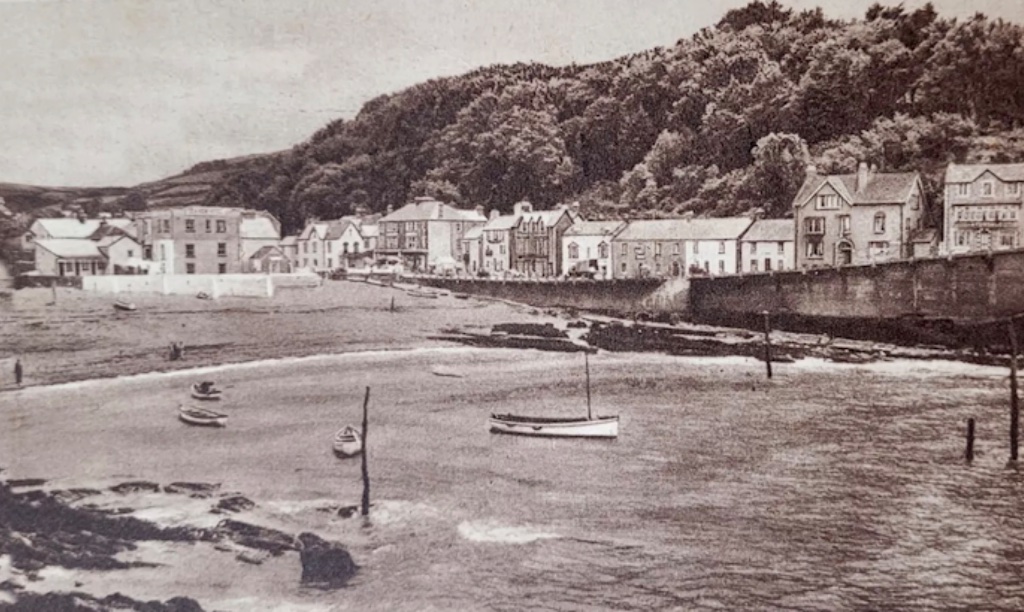
The valley of Combe Martin, much as it has appeared for centuries

The valley of Combe Martin, much as it has appeared for centuries

c. 1066 – Medieval Beginnings

A Village Born of the Sea

Combe Martin's story begins long before the Domesday Book, where it appears simply as "Coma" — a deep valley. The village takes its full name from the Martin family, Norman lords granted the land after the Conquest. Nestled within a steep-sided valley that tumbles two miles to the sea, it was from the start a place shaped by geography: sheltered, fertile, and quietly apart from the wider world.
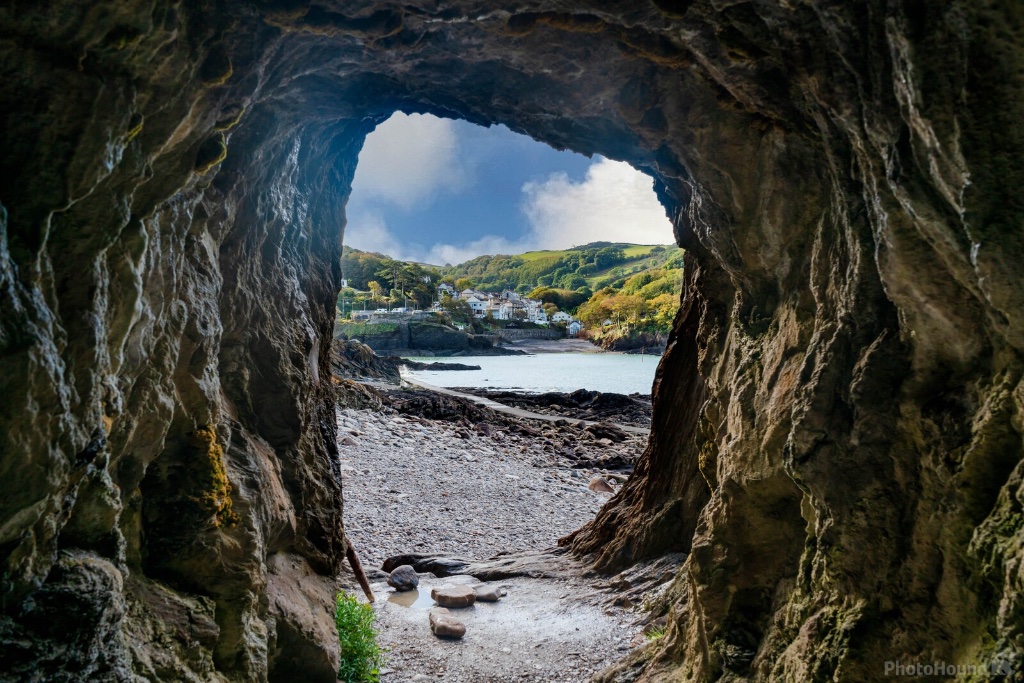
The wooded hillsides that once concealed working silver mines

The wooded hillsides that once concealed working silver mines

13th – 17th Century

Silver, Mines & Royal Ambitions

Few English villages can claim to have once funded a king's wars. In the 13th and 14th centuries, Combe Martin was a significant silver and lead mining centre. Edward I drew on the village's mineral wealth to finance his campaigns in Wales and Scotland. At its height, hundreds of miners worked the surrounding hills, and the Crown took a keen interest in this remote Devon valley. The mines eventually fell quiet, but the legacy — in the form of hollowed hillsides and old spoil heaps — can still be traced today.

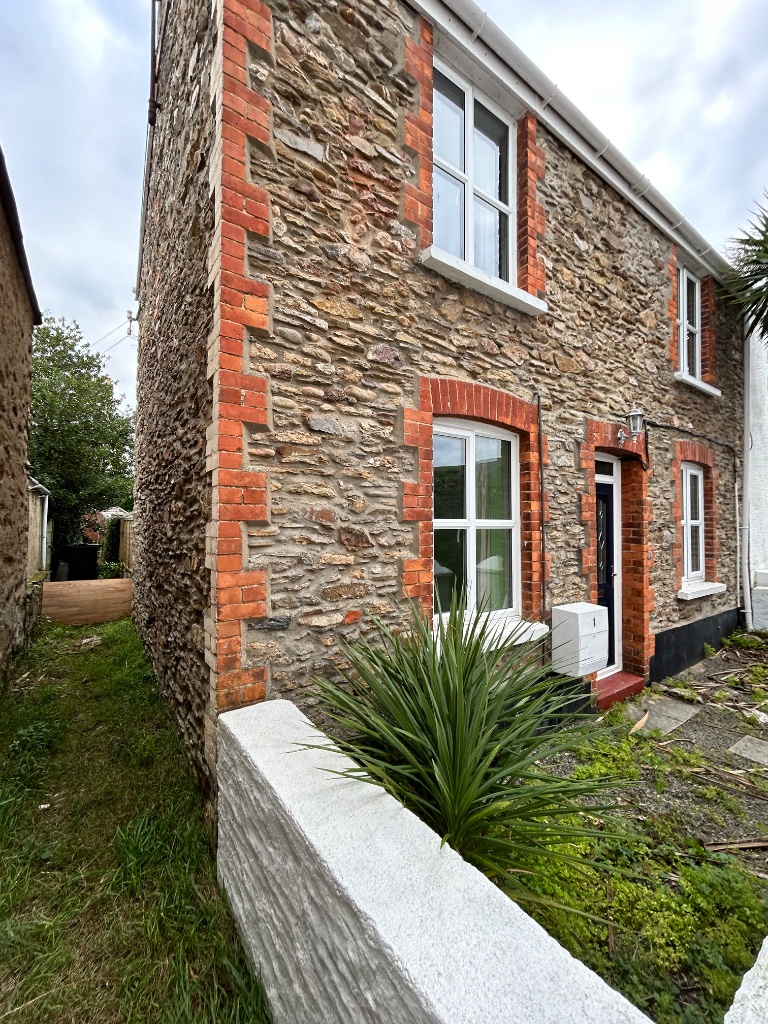
Victorian stonework and cast iron — hallmarks of the era

Victorian stonework and cast iron — hallmarks of the era

Victorian Era

Cottages, Character & the Railway Age

The 19th century brought modest but meaningful change. Victorian builders added rows of sturdy stone cottages — among them the very house you are staying in today. Built around 1820–1840, Mirabelle's walls are two feet thick, its windows set deep against the Devon weather. The introduction of cast iron fireplaces in each bedroom — still in place today — was a mark of Victorian domestic comfort. Combe Martin remained a working village: farmers, fishermen, and craftsmen, largely untouched by the grand tourism that swept coastal Devon further south.

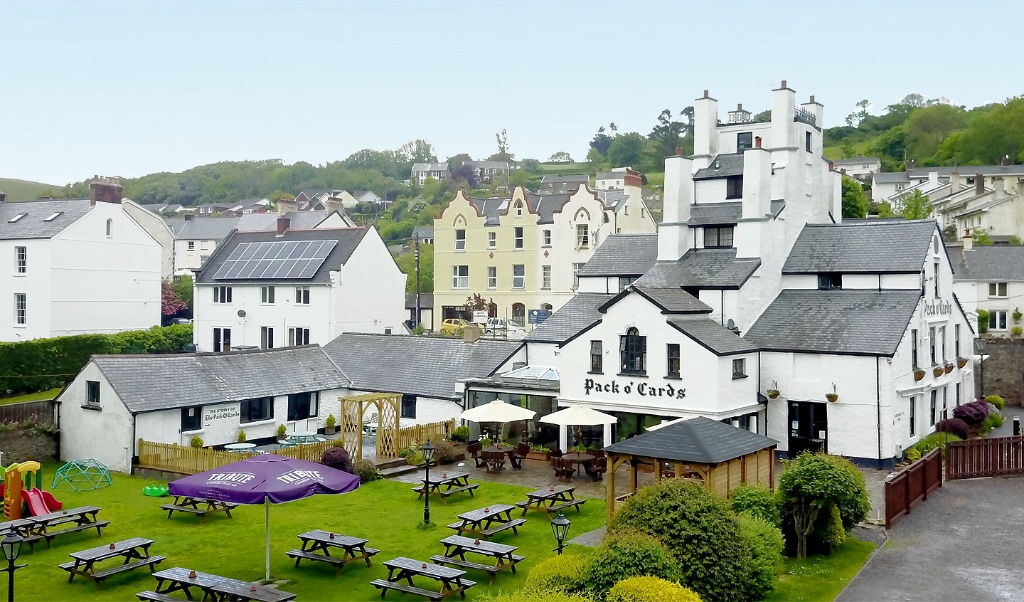
The Pack o' Cards — a Grade II* listed inn and beloved waypoint on the South West Coast Path

The Pack o' Cards — a Grade II* listed inn and beloved waypoint on the South West Coast Path

20th Century

A Village Rediscovered

As the motor car opened Devon's coast to a wider public, Combe Martin was gently rediscovered. Artists were drawn to the quality of light; walkers to the dramatic South West Coast Path that passes nearby; families to the long pebbly beach at the valley's foot. The village retained its character — one long main street, ancient pubs, a bakery — while welcoming those who sought something quieter and more genuine than the larger resorts of Ilfracombe or Croyde. The Pack o' Cards, a Grade II* listed inn of extraordinary architectural curiosity, is Mirabelle's local pub and serves as a well-loved rest stop on the Combe Martin to Woolacombe section of the South West Coast Path — a welcome reward for weary legs on one of England's finest long-distance walks.

A nod to France: Combe Martin's enduring cross-Channel friendship

A nod to France: Combe Martin's enduring cross-Channel friendship

The French Connection

Twinned Across the Channel

Combe Martin is twinned with Combrit, a commune in Finistère, Brittany. The connection speaks to something real: the same blend of fishing heritage, strong tides, and quiet village pride that you find on both sides of the Channel. It is this spirit of Franco-British kinship that inspired us to name our cottage Mirabelle — after the small golden plum of Lorraine, beloved in France and perfectly at home in Devon.

"Combe Martin is not a place that shouts. It whispers — in the stone walls, the salt air, the long valley light at dusk."

— On Mirabelle's village